 COME
COMEWhy 180 all out usually sets a target of 181
In an ordinary unrevised chase, the second team needs one more than the first-innings total to win. A total of 180 sets a target of 181 in that simple case.
Separate equality from reaching the target
A chasing score of 180 would equal the first side. Reaching 181 exceeds it. Whether a tied match later uses another procedure depends on the competition rules and final match state.
Check for an officially revised target
An interruption can lead to a revised target or allocation. Use the announced target rather than forcing every chase into first-innings total plus one. The simple arithmetic here assumes no revision.
Keep examples separate from a live match
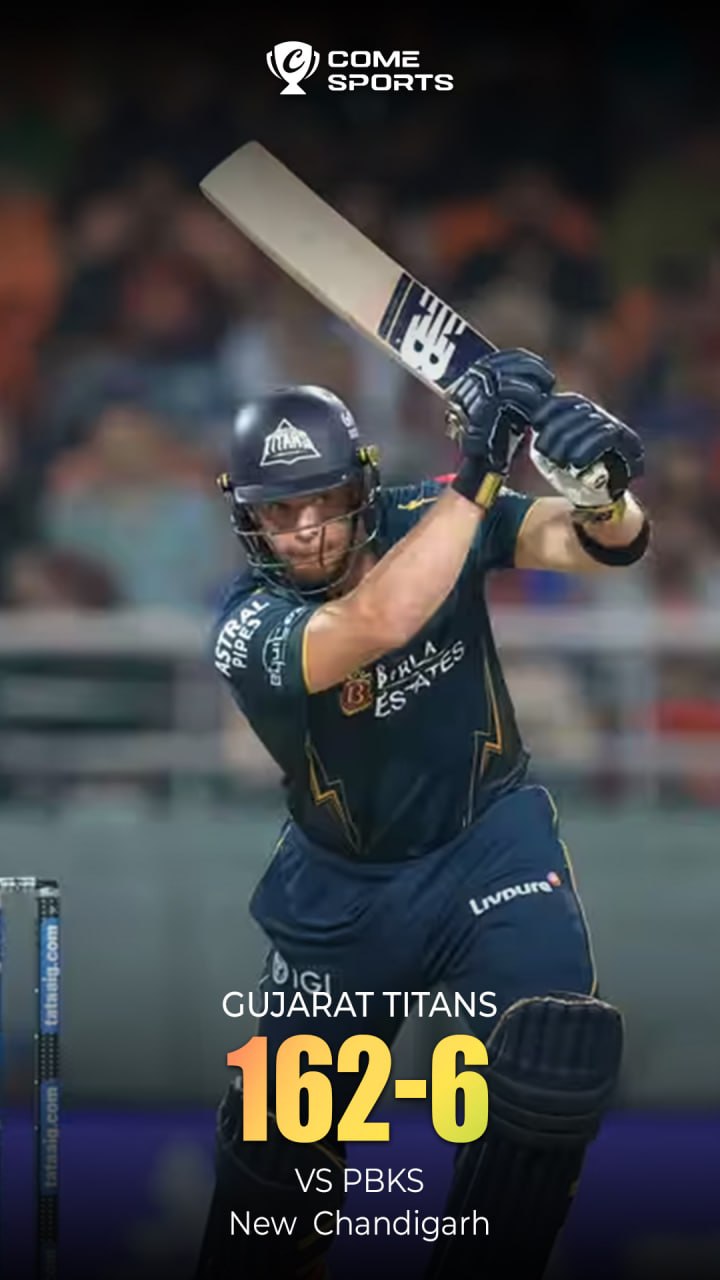
These numbers are worked examples. For a current IPL match, use its actual teams, innings, target, over allocation and status. A saved cricket graphic can illustrate score fields but cannot supply a live result. Match runs, fantasy contest points and video coverage are also different services and measurements. Read the contest rules for points and the broadcaster terms for viewing access.
A practical example
At 175 in pursuit of 181, six runs are required. Saying five runs to win would only get the team level at 180. Available balls and wickets determine how the chase can continue.
What a completed answer looks like
You distinguish the first-innings total, an equal score and the actual target before calculating runs needed.
Choose another specific COME guide
Read the wider cricket and IPL guide